2016 vintage in Champagne: why keep it? Skip to content
Free delivery from 100€ in France I SHIPPED FROM OUR DOMAIN IN AVIZE

Cart

Your cart is empty

Millésime 2016 en Champagne : un vin construit pour la garde

2016 vintage in Champagne: a wine built for aging

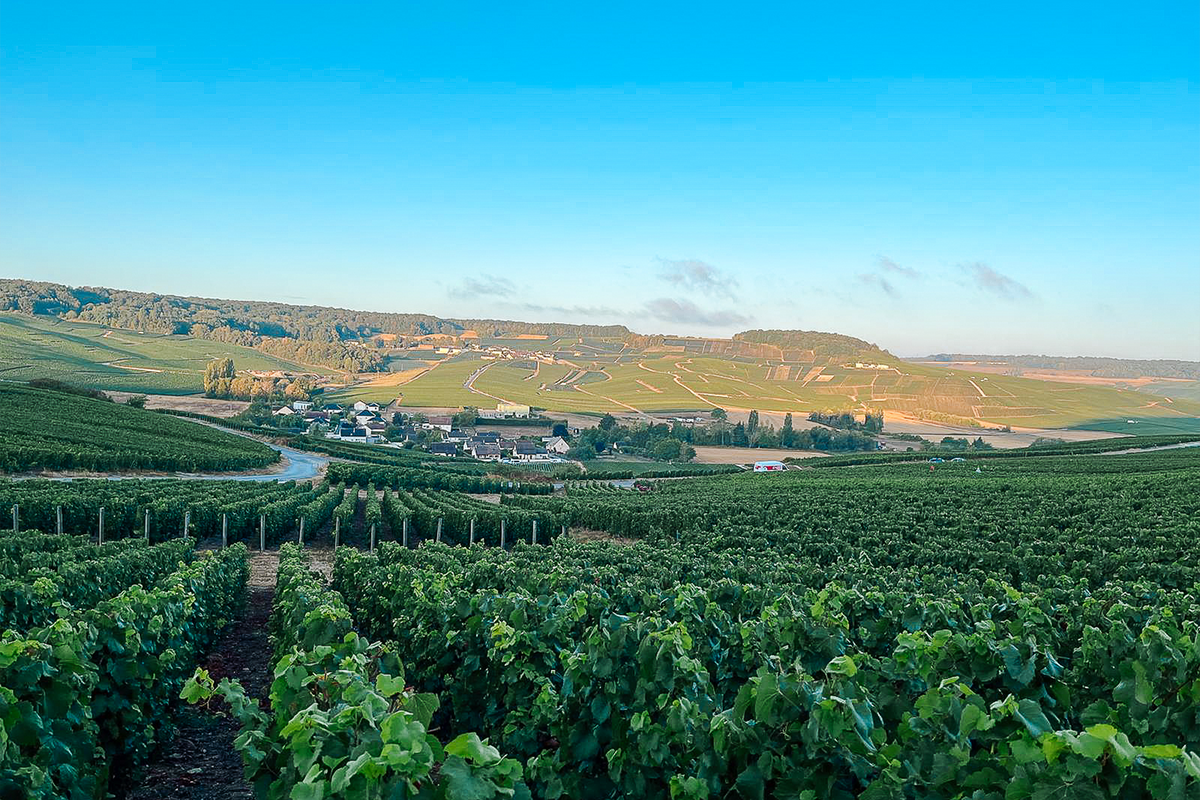
The 2016 vintage in Champagneis characterized by a two-stage climatic trajectory: a spring among the most difficult of the decade, followed by a summer that completely turned the situation around. This contrast is not just a meteorological anecdote; it explains why this vintage is now considered a cellar-worthy champagne, and helps answer a very concrete question: how long should you wait before enjoying it?

2016, the challenge that forged a great vintage

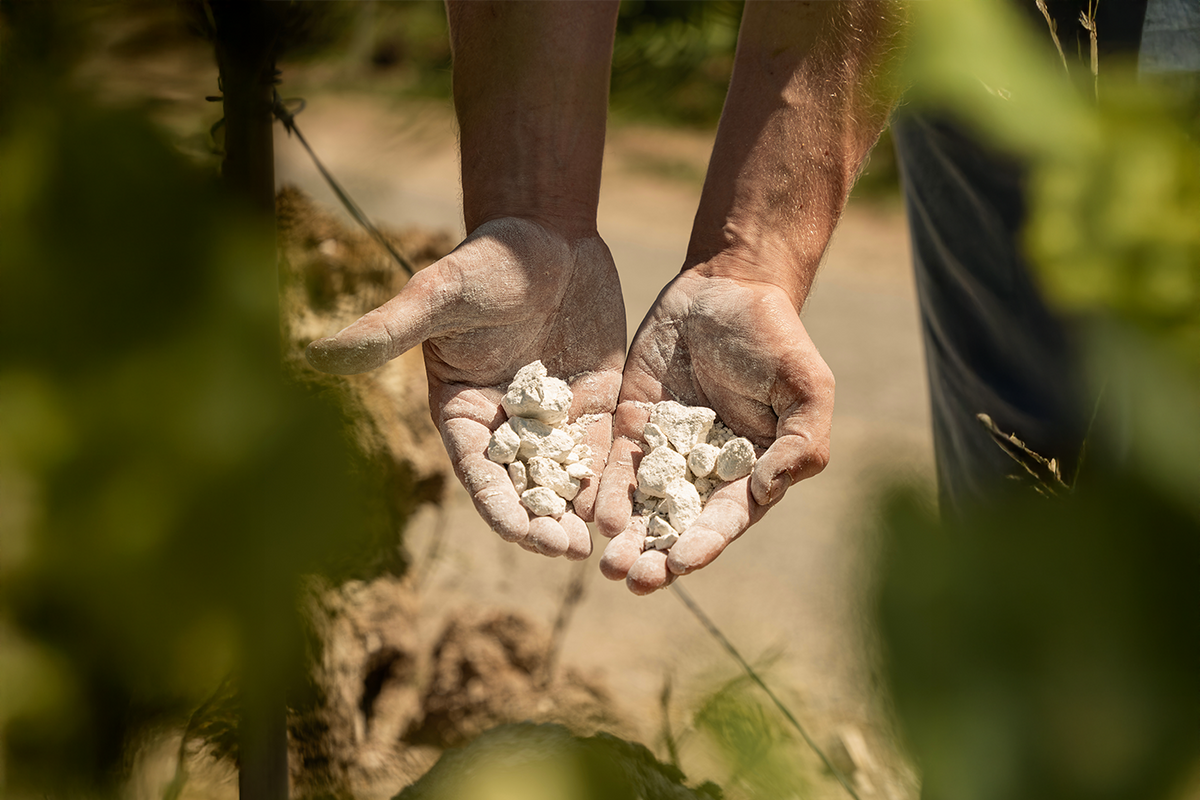
The 2016 vintage took shape starting in the spring, under demanding climatic conditions for the entire Champagne vineyard. Persistent humidity encouraged the development of mildew, resulting in some of the most significant sanitary pressure of the decade, while an episode of frost completed this delicate start to the season. Faced with these trials, the vines had to redouble their efforts, with their roots reaching deeper into the soil for the water and resources needed to compensate for a disrupted growth cycle. It is precisely this effort that gave the grapes a more concentrated substance and a more assertive identity, an intensity that only the most demanding years can reveal. A context that could have been worrying, but which in reality laid the foundations for a rare, almost exceptional harvest, through the natural selection it imposed on the vines and the depth of expression it allowed them to achieve.

Mildew in Champagne: how humidity promotes the fungus

Downy mildew spreads via spores that require free water on the leaf to germinate and infect the plant. A rainy, low-wind spring, such as the one in 2016, prolongs this surface moisture and multiplies contamination cycles. In the most severe cases, the fungus reaches the inflorescences and causes them to wither, directly reducing the number of viable clusters even before flowering, a phenomenon distinct from, but sometimes combined with, shatter (coulure).

Spring frost: what is the impact on the vines?

Spring frost acts through a different mechanism: when nighttime temperatures drop below freezing after the buds have already burst, the water contained in the young tissues freezes and literally causes the plant cells to burst. The affected buds will not produce fruit, or will produce secondary clusters that are later and often of lower quality. Combined with the pressure of downy mildew, this phenomenon caused, as early as the spring of 2016, a reduction in harvest potential far greater than in a normal climate year.

A summer that revealed the full potential of the vintage

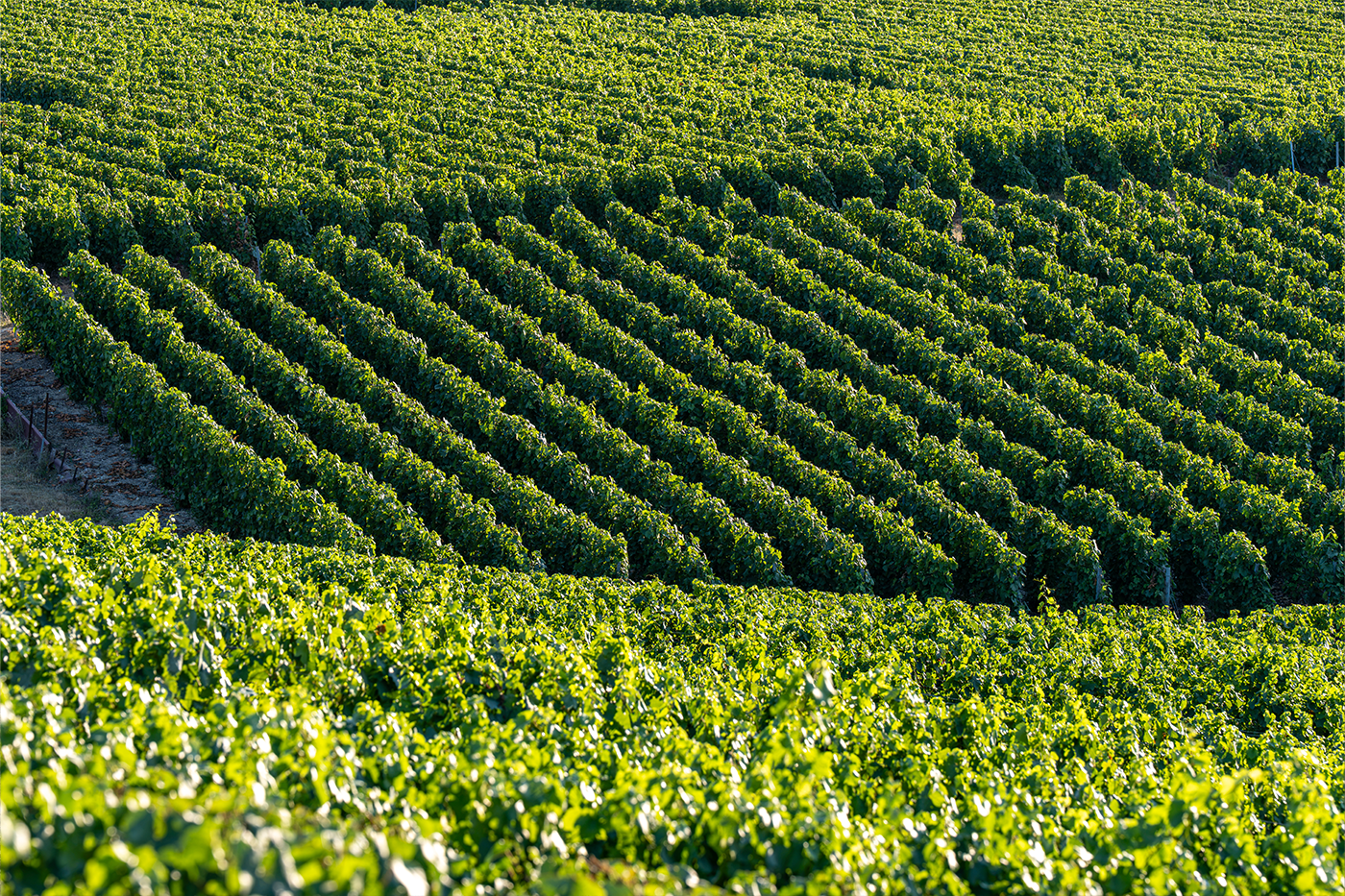
From July onwards, the return of stable sunshine had a dual effect: it halted the spread of downy mildew, the cycle of which depends on humidity, and it accelerated photosynthesis, the driving force behind the accumulation of sugars in the berry. On bunches already naturally fewer in number due to the spring, this solar energy was concentrated on a smaller volume of fruit, a simple physiological mechanism that explains the aromatic density often associated with low-yield harvests.

Low yield, high concentration: the agronomic link

A grapevine allocates its resources—water, sugars, and phenolic compounds—to a number of clusters that directly depends on what survived the spring. When this number is reduced, each remaining cluster benefits from a greater flow of sap and photosynthates. It is this agronomic principle, rather than just the weather, that explains why low-yield harvests statistically produce musts more concentrated in sugars and aromatic precursors.

Acidity and sugar: the balance that makes a great vintage

Grape acidity (primarily malic acid) naturally degrades as ripening progresses and temperatures rise. A warm but not excessive summer, like that of 2016, allows for a gradual accumulation of sugars without a sharp collapse in acidity. This moderate ripening pace is precisely what distinguishes a balanced vintage, capable of aging, from a faster one where acidity drops before the aromas have had time to fully develop.

2016 at Frerejean Frères: a vintage revealed by time

A vintage champagne continues to evolve after bottling, driven by two main phenomena: yeast autolysis (the slow degradation of the lees, which releases aromatic compounds and creates a fuller texture) and a slow oxidation-reduction process that transforms primary aromas into more tertiary notes. A vintage endowed with solid acidity and concentrated substance, like 2016, possesses the precise reserves needed to undergo this evolution over several years without running out of steam.

2016 Champagne in its youth: what to expect

In its first years after disgorgement, a 2016 champagne primarily expresses primary and secondary aromas: citrus, white flowers, and sometimes a riper fruity note for blends rich in Pinot Noir. The acidity, still vivid, strongly structures the wine and can give an impression of tension to those who open it too early. This is a tasting phase that values precision and freshness above complexity.

Yeast autolysis: how a vintage champagne evolves

After several years on the lees and then in the bottle following disgorgement, the compounds resulting from yeast autolysis—notes of brioche, bread crumb, and dried fruits—gradually take precedence over the primary aromas. The acidity, still present but better integrated, gives way to a fuller texture. It is at this stage, generally more than a decade after the harvest, that a vintage constructed like 2016 reveals the essence of its potential, with an evolution toward more roasted tertiary notes continuing over several decades for the most well-structured cuvées.

The 2016 vintage clearly illustrates that in Champagne, a difficult spring is not necessarily bad news: natural yield reduction, summer concentration, and an acid-sugar balance combined to produce a rare substance of uncommon density and depth. It is this precise trajectory, more than just the climate anecdote, that allows us to anticipate the exceptional evolution of a 2016 in the cellar.

Maison Frerejean Frères has chosen to reveal the full potential of this exceptional vintage through its cuvées Éclipse 2016, a 100% Grand Cru blend of Chardonnay and Pinot Noir, aged for nine long years on lees before its disgorgement in February 2026. A rare aging period, befitting a vintage built for patience, which today delivers all the depth it has held within since 2016.