2026 Harvest: The Story of an Early Vintage Skip to content
Free delivery from 100€ in France I SHIPPED FROM OUR DOMAIN IN AVIZE

Cart

Your cart is empty

Vendanges 2026, le récit d'une récolte précoce

2026 Harvest: The Story of an Early Vintage

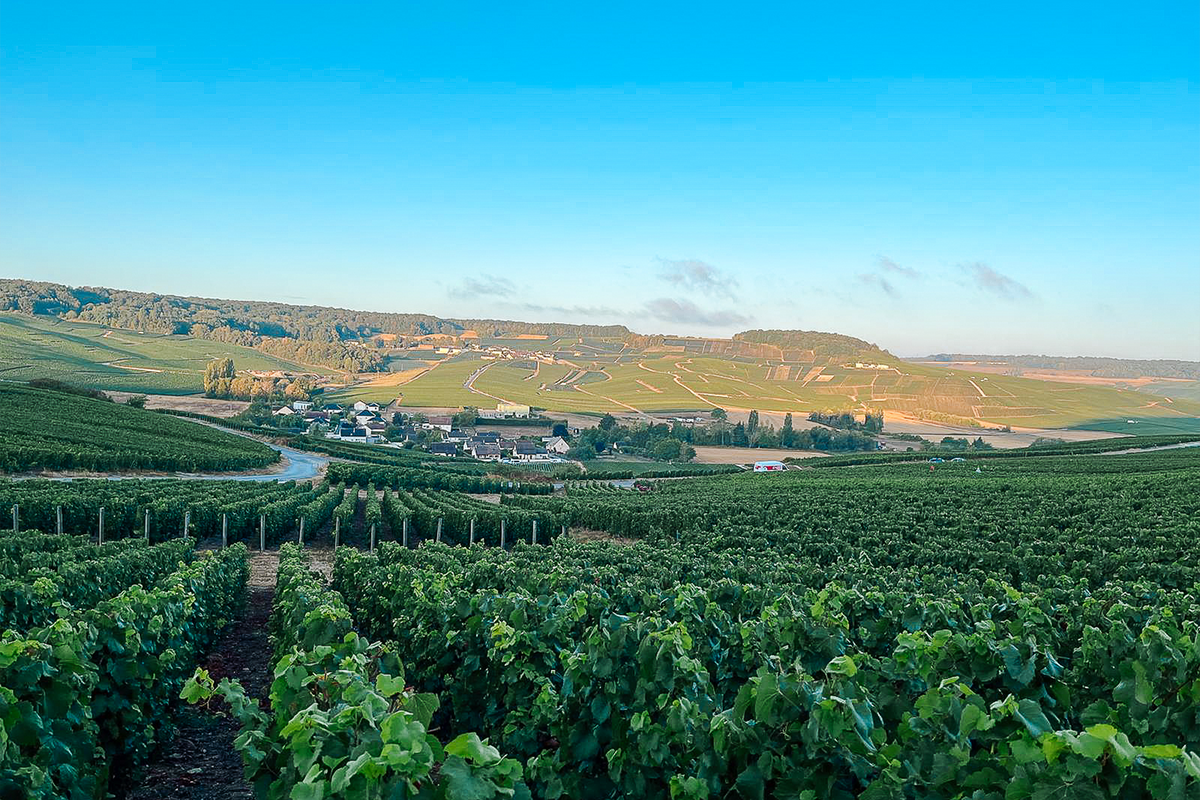
Each year tells a different story. That of 2026 was one of precocity, as the harvest had never begun so early in Champagne, and our House did not escape this accelerated tempo. Across all our plots, notably in Avize, Cramant, and Grauves, our teams began the harvest on August 19, driven by a simple conviction. An early harvest is neither better nor worse than another; it simply requires being listened to with even greater attention.

A harvest marked by unprecedented earliness

The 2026 calendar will long be remembered in Champagne. The first secateurs were put to work in early August in the Aube region, and the Comité Champagne set opening dates spanning the second and third weeks of the month, depending on the village and the grape variety. This early start is explained by a demanding climatic sequence, with severe spring frosts followed by spells of intense heat in mid-summer, which accelerated grape ripening while putting pressure on yields.

A season dictated by the whims of the climate

The 2026 harvestrequired vigilance at every stage. The frost in March and April weakened parts of the Champagne vineyards, reducing the harvest potential even before full budbreak. The summer heat that followed then accelerated the sugar accumulation in the berries, narrowing the window between veraison and optimal ripeness. For our teams, this meant monitoring maturity on our plots almost daily, so as not to miss the perfect moment for picking.

August 19, the day the first cluster was harvested

It was therefore on August 19th that our teams entered the vineyards, on our plots in Avize and Cramant, classified as Grand Cru, before joining those in Grauves, classified as Premier Cru, and then our other plots spread across the vineyard. A start consistent with the pace observed throughout the Côte des Blancs this year, where the Chardonnays led the Champagne harvest.

Our plots, a diversity of terroirs to harvest

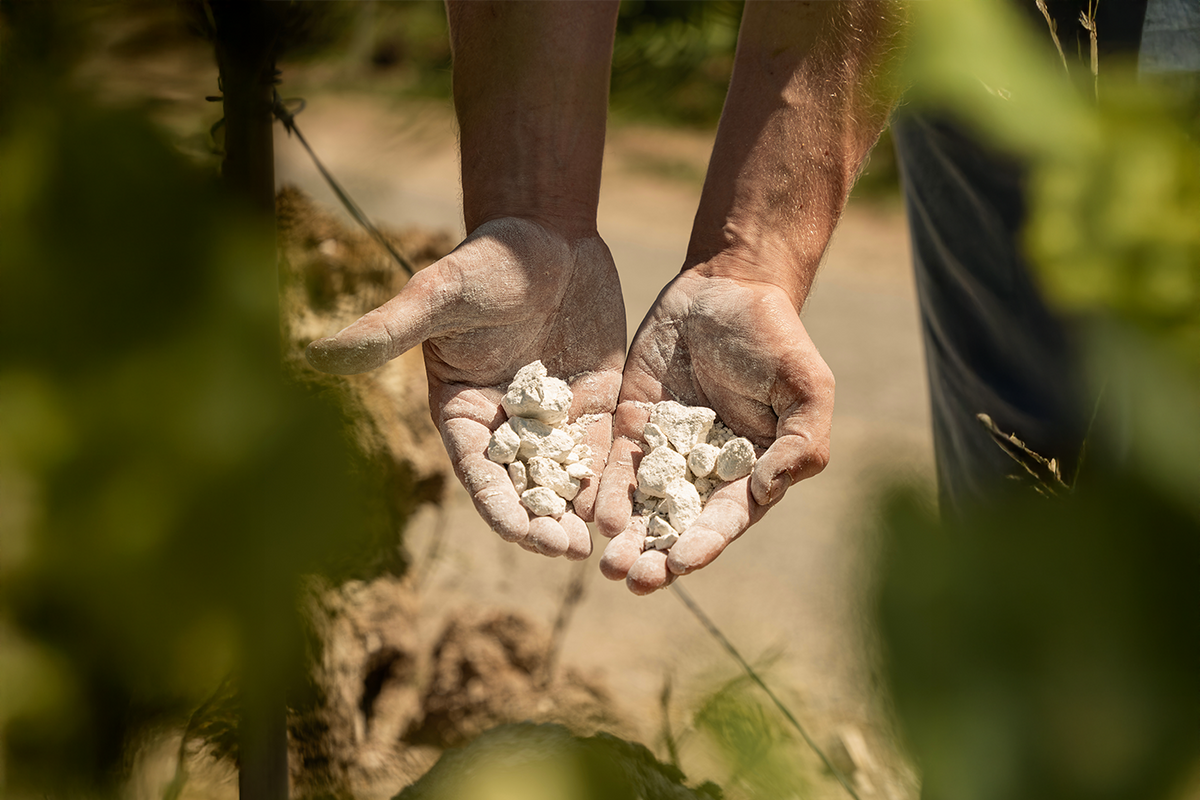
La Côte des Blancs doit sa réputation à un sous-sol de craie exceptionnel, qui confère au Chardonnay sa minéralité et sa capacité de garde. C'est sur cette même assise géologique que se trouvent nos parcelles d'Avize, de Cramant et de Grauves. Une récolte précoce comme celle de 2026 met justement en évidence tout l'intérêt de ce sol, car la craie retient la fraîcheur et régule l'apport en eau à la vigne, ce qui a permis à nos raisins de préserver une belle acidité malgré la chaleur de l'été.

Avize and Cramant, the expression of Chardonnay in Grand Cru

These two municipalities, among the most prestigious on the Côte des Blancs, offer Chardonnay a minerality and tension that are the hallmark of great Blancs de Blancs. In 2026, the precocity of the season took nothing away from this identity, as maturity arrived earlier while preserving, on these iconic chalk soils, that characteristic straightness that structures our cuvées.

Grauves, the nuance of Premier Cru
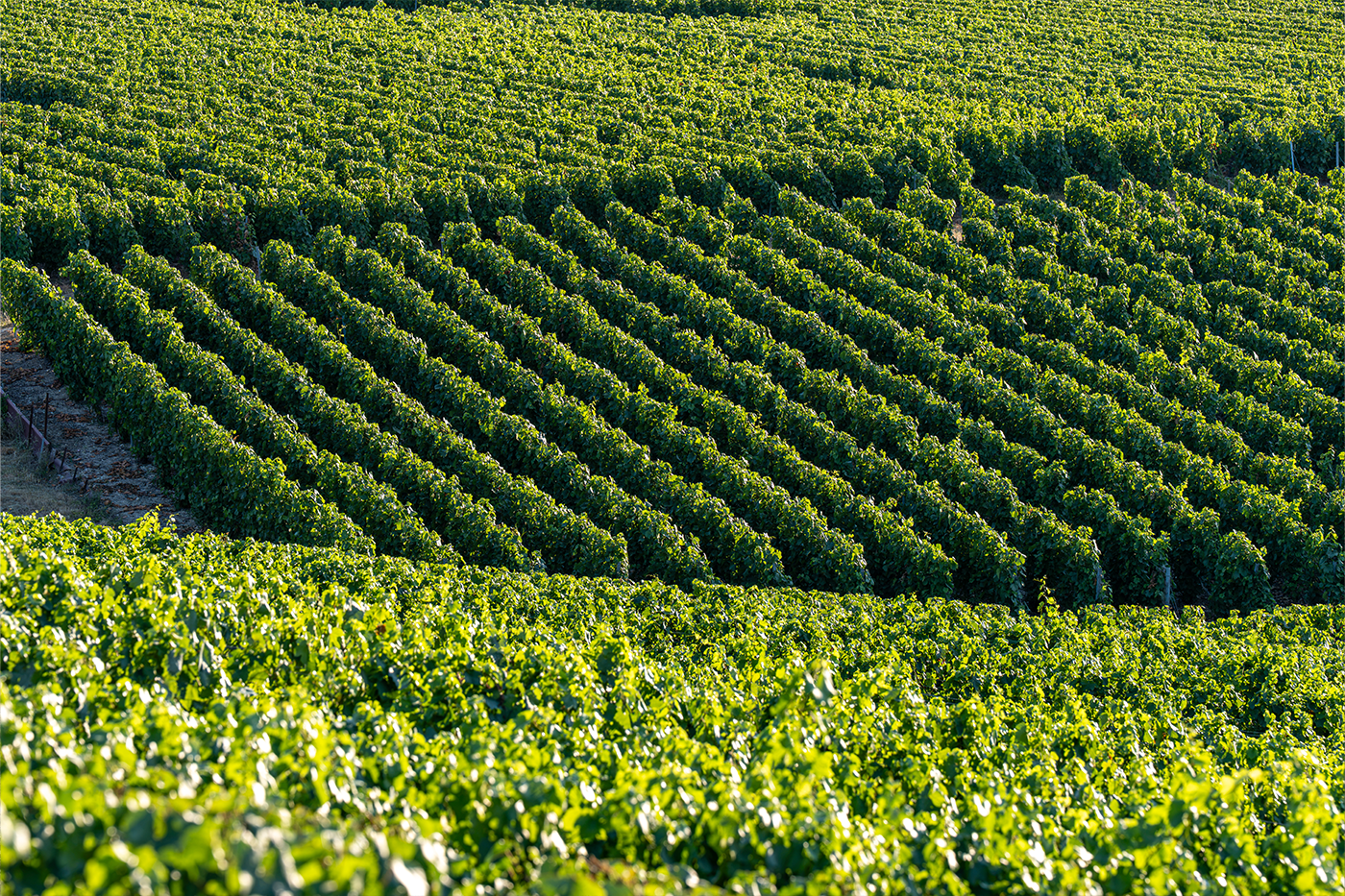
A little further away, Grauves offers a different interpretation of Chardonnay, one that is rounder and adds complexity to our blends. Harvesting this Premier Cru plot within the same window as our Grands Crus requires tight organization, but ensures that the raw material is picked at the closest possible point to its optimum.

2026 harvest, between grape generosity and oenological vigilance

The defining feature of this harvest, beyond its earliness, is the richness in sugar observed throughout the Champagne vineyard, across all grape varieties. A generosity that calls for caution regarding potential alcohol levels, but which is fortunately balanced by the natural acidity of the Chardonnay, suggesting musts that are both ripe and lively.

Sugar and acidity, the delicate equation of the harvest

On our plots as elsewhere in Champagne, maturity analyses have shown high sugar levels this year. This is a parameter we monitor closely, as it directly influences the final style of the wine. Fortunately, the natural acidity has remained present, providing that tension which is the signature of our Champagnes and the foundation of their ability to age with elegance.

The intangible rigor of hand-harvesting

In Champagne, the harvest is exclusively manual throughout the entire appellation. This requirement takes on its full meaning in a year like 2026, as it allows for bunch-by-bunch sorting, a fine selection of the highest quality grapes, and immediate adaptation to the conditions of each plot. A rigor that we uphold, season after season, as a non-negotiable principle of our House.

A harvest on the horizon, the patience that follows

The 2026 harvest was swift, intense, and demanding. It also marks the beginning of a long process in the cellar, where each winemaking choice will reveal what the year's climate has imprinted on the grapes. Across all our plots, particularly in Avize, Cramant, and Grauves, our teams gathered generous raw material, underpinned by a reassuring acidity. These are the foundations of a vintage that we will follow with the same exacting standards until its unveiling, several years from now, at the time of disgorgement.