Blanc de Blancs and Blanc de Noirs: two champagnes, two souls Skip to content
Free delivery from 100€ in France I SHIPPED FROM OUR DOMAIN IN AVIZE

Cart

Your cart is empty

Blanc de Blancs et Blanc de Noirs : deux champagnes, deux âmes

Blanc de Blancs and Blanc de Noirs: two champagnes, two souls

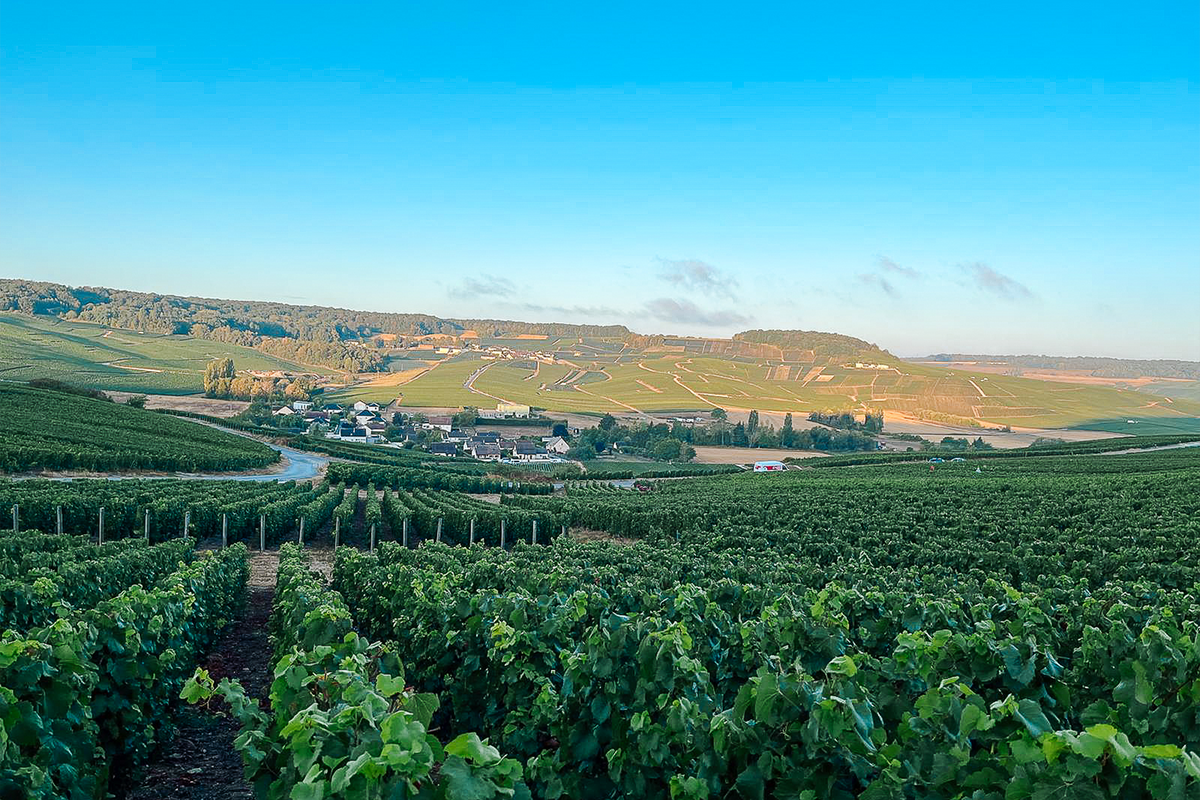
The Côte des Blancs stretches for about twenty kilometers south of Épernay, along a chalky hillside facing east. It is here that Chardonnay finds its purest expression, the one that has earned the world-renowned reputation of Blanc de Blancs champagne. Yet, just a few kilometers away, the Montagne de Reims produces another white champagne—also clear, also effervescent—but made from black-skinned grapes. Two white champagnes, two winemaking philosophies, two radically distinct characters.

Blanc de Blancs and Blanc de Noirs: what are we talking about?

The Blanc de Blancs, a 100% white grape champagne

The term is precise: a "blanc de blancs" champagne is produced exclusively from white-berried grape varieties. While Chardonnay is the most iconic of this category, the Champagne AOC also authorizes four other varieties: Petit Meslier, Arbane, Pinot Blanc, and Pinot Gris. These historic and rare grape varieties are very limited today, together representing less than 0.3% of the Champagne vineyards.

In practice, 100% Chardonnay champagne is the standard. It is what defines the style: tension, freshness, and minerality. The other white grape varieties appear in niche cuvées, often in blends, to provide a unique signature, such as the smoky notes of Petit Meslier or the floral finesse of Arbane.

The AOC rule is simple: as soon as a black grape variety is included in the blend, the champagne can no longer claim the Blanc de Blancs designation.

Blanc de Noirs, the prowess of black grapes vinified as white

Blanc de noirs is based on an apparent paradox: producing a white wine from black-skinned grapes. The grape varieties involved are Pinot Noir and Meunier, the two black grape varieties of the appellation.

The secret lies in the grape flesh. Whether black or white, Champagne juice is naturally colorless. The color comes only from the skin. Therefore, one simply needs to press the grapes quickly, without maceration, to obtain a perfectly clear must. Everything happens during the pressing process: contact between the juice and the skins is reduced to the strict minimum, barely a few minutes.

The result is a white Champagne in its own right, but one whose aromatic profile bears the mark of black grape varieties: body, structure, generosity.

Radically different aromatic profiles

While Blanc de Blancs and Blanc de Noirs share the luminous color of champagne, they follow divergent sensory paths. On one hand, a quest for crystalline purity; on the other, an exploration of depth and texture. This opposition lies not only in the aromas, but in the very sensation of the wine on the palate, offering the taster two faces of Champagne: one turned toward verticality, the other toward horizontality.

Le Blanc de Blancs: freshness, minerality, citrus

The aromatic profile of a Blanc de Blancs Champagne is centered around three pillars: the freshness of citrus fruits (lemon, grapefruit, yuzu), floral delicacy (white flowers, acacia), and, over time, a brioche and buttery dimension that gradually develops.

On the palate, the texture is fine, almost airy. The acidity is lively and taut, yet never aggressive. It is this acidic backbone that gives it a remarkable aging potential: a great Blanc de Blancs from the Côte des Blancs can flourish over ten, fifteen, or even twenty years.

At the table, it calls for culinary precision. Oysters, shellfish, noble fish, scallop carpaccio—anything that requires finesse rather than power.

Blanc de Noirs: structure, red fruit, roundness

Blanc de Noirs expresses itself differently. Pinot Noir provides it with structure, body, and a sensation of warmth on the palate that oenologists call vinosity. Meunier, for its part, contributes roundness and suppleness, with aromas of yellow fruit and flowers.

On the nose, one finds white and yellow-fleshed fruits—peach, apricot, mirabelle plum—but also hints of red berries (strawberry, raspberry) that betray the origin of the grapes. With age, the Blanc de Noirs evolves toward deeper notes: coffee, cocoa, sweet spices.

On the palate, the substance is denser, more enveloping. It is a champagne that pairs better with rich sauces, white meats, and aged cheeses. A mealtime champagne, rather than an aperitif.

The Côte des Blancs, a terroir of Chardonnay excellence

A wine’s identity begins with its soil, and the Blanc de Blancs is no exception. The Côte des Blancs does not get its name by chance, but from the omnipresent chalk that sculpts the landscape. It is in this unique geological environment, shaped over millions of years, that Chardonnay finds the ideal conditions to break free from power and reveal its most refined facet: that of pure minerality.

Why chalky soil elevates Chardonnay

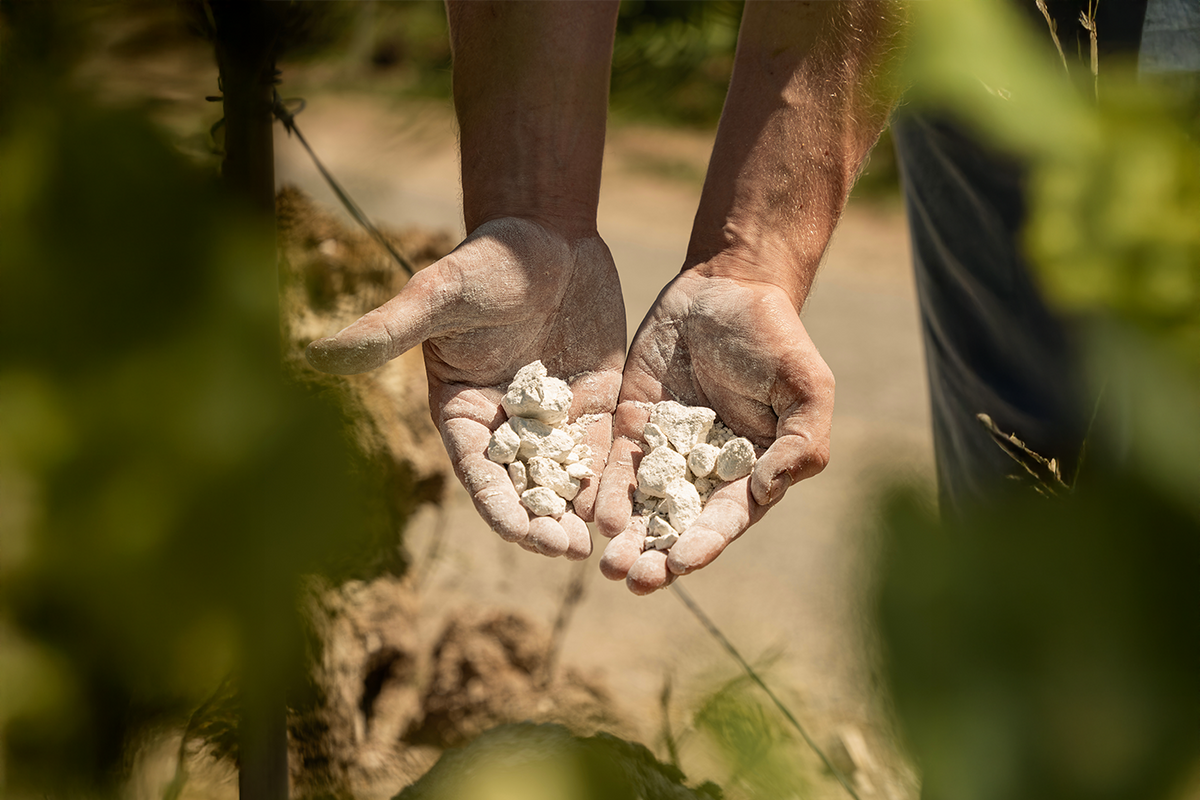
The Côte des Blancs owes its name to the color of its soils. Campanian chalk outcrops along the entire length of the hillside—a porous limestone rock capable of storing significant water reserves and slowly releasing them to the vines during periods of drought.

This regulated drainage is decisive. It prevents sudden water stress while keeping the vine in a state of slight tension, which is favorable for aromatic concentration and the preservation of natural acidity. Chardonnay, an early-ripening and vigorous grape variety, adapts to this better than any other: it expresses a characteristic chalky minerality here, almost saline, that is not found anywhere else with the same intensity.

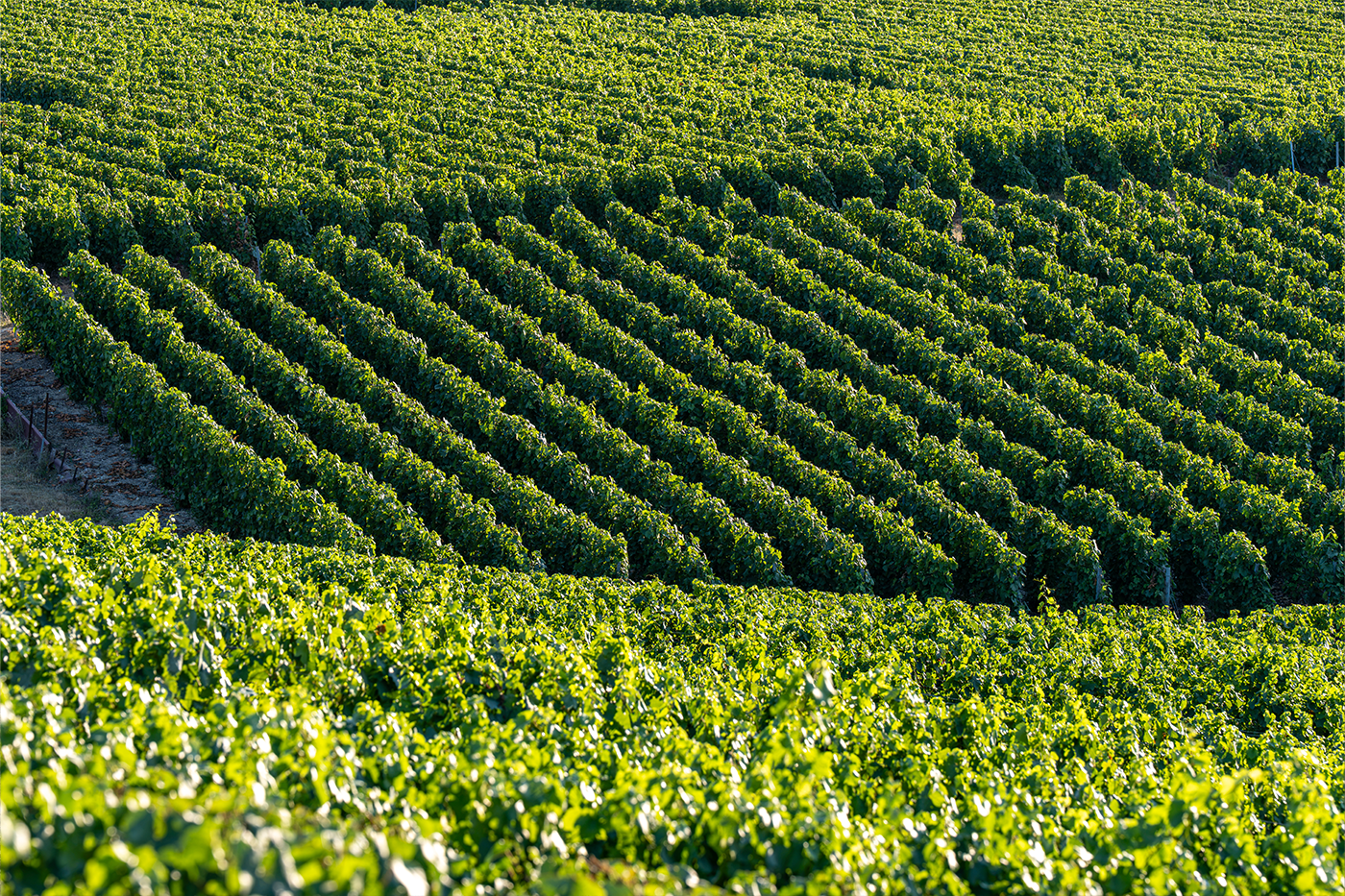
The villages of the Côte—Avize, Cramant, Le Mesnil-sur-Oger, Oger—concentrate a large portion of the appellation's Grands Crus and Premiers Crus. Chardonnay accounts for 95 to 97% of the plantings there.

When do we declare a Blanc de Blancs here?

At Frerejean Frères, the decision to declare a Blanc de Blancs is not taken lightly. It involves time - that of long aging on lees, which gradually reveals the complexity of Chardonnay from the Côte des Blancs.

The Blanc de Blancs Premier Cru (€82, 75 cl) is the first level of this expression. 100% Chardonnay, extra-brut, aged for five years. The nose opens with white fruits, citrus, and white flowers, with hints of brioche and exotic notes that signal a well-established maturity. The palate confirms this: beautiful roundness, persistent freshness, great finesse, and a long, complex finish. At the table, it pairs perfectly with sea urchin tarama, roasted langoustines in butter, pan-seared foie gras, or John Dory with citrus.

The Blanc de Blancs Grand Cru Magnum(€240, 150 cl) is another offering. Ten years of aging, matured in old barrels, a collection limited to 4,000 bottles. The grapes come exclusively from the Grands Crus of the Côte des Blancs. The nose is deeper: citrus and ripe fruits mingle with brioche and white flowers. On the palate, the attack is lively, the minerality elegant, the texture creamy. Almond, hazelnut, and pastry notes settle in the mid-palate, leading into a long finish that lingers. Fillet of sole meunière, pollock sashimi, abalone with parsley and garlic - pairings that favor precision over ostentation.

Blanc de Blancs or Blanc de Noirs: which one to choose?

Blanc de Blancs and Blanc de Noirs are not opposites; they complement one another. One embodies the precision, uprightness, and minerality of Chardonnay grown on chalk. The other carries the generosity and depth of dark grape varieties vinified with care. Two styles that have coexisted in the appellation for generations, and which continue to define what champagne can be at its finest level. The Frerejean Frères cuvées are part of this tradition: family know-how, a premier terroir, and time as the only tool for revelation.